

The holiday season is one of the most dangerous times of the year to be on the road, not just in Louisiana but across the United States. National Highway Traffic Safety Administration (NHTSA) data consistently show sharp increases in fatal crashes during Thanksgiving, Christmas, New Year’s, and other major holidays. Louisiana reflects this trend, and in some cases, exceeds national patterns due to a unique blend of cultural traditions, travel behaviors, and environmental factors.
A recent study from Babcock Injury Lawyers found that holiday periods see significantly higher per-day rates of fatal and suspected injury crashes than the statewide annual average in Louisiana. While holidays make up a small percentage of the calendar year, they account for a disproportionate share of serious collisions.
Understanding the risk factors behind these crashes is critical for reducing the number of preventable injuries and deaths each season.
1. Alcohol Use Increases During Holiday Celebrations
Alcohol remains one of the most common contributors to fatal and serious injury crashes during the holidays. In Louisiana, where celebrations frequently include alcohol, from Christmas gatherings to bowl games and Mardi Gras-related festivities, this trend is especially pronounced.
Alcohol impairs:
- Reaction time
- Awareness
- Coordination
- Decision-making
Even one poor choice after a holiday event can have devastating consequences. Increased law enforcement patrols help, but impaired driving remains a persistent holiday safety problem across the state.
2. Heavy Travel and Congestion Create Additional Hazards
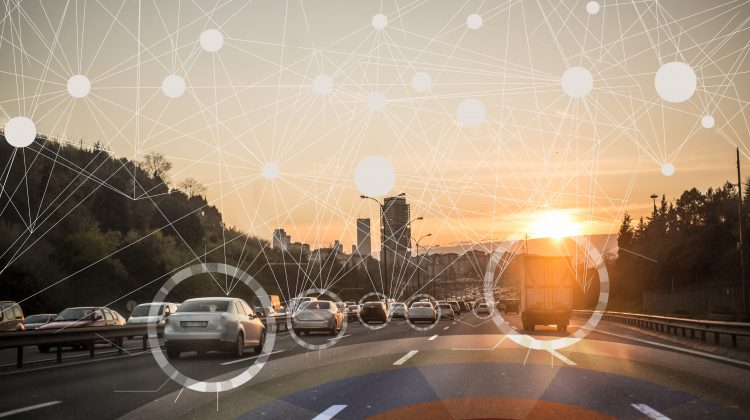
Holiday travel means more vehicles on the road, especially near urban centers such as Baton Rouge, New Orleans, and Lafayette. Interstates like I-10 and I-12 see some of their highest traffic volumes of the year during Thanksgiving, Christmas, and New Year’s.
Congestion contributes to collisions through:
- Sudden stops
- Chain-reaction crashes
- Higher rates of rear-end collisions
- Aggressive merging behavior
- Drivers navigating unfamiliar exits or ramps
Out-of-state visitors, who may not know Louisiana’s road patterns, add another layer of unpredictability.
3. Nighttime Driving Becomes More Common
A significant amount of holiday travel happens after dark, whether it’s driving home from a party, late-night shopping, or long-distance travel to visit family. During the holidays, nighttime crash risk increases due to:
- Reduced visibility
- Glare from lights and decorations
- Fatigue after long events
- Higher likelihood of impaired driving
This combination of factors makes late-night travel one of the most dangerous conditions for Louisiana drivers during the holidays.
4. Driver Fatigue After Long Trips or Celebrations
Fatigue is an underrecognized contributor to serious holiday crashes. Many drivers travel long distances across Louisiana, often late at night or early in the morning, to reach family gatherings or return home after events.
Sleep deprivation affects driving performance in ways similar to alcohol impairment. It reduces alertness, slows reaction times, and increases the chance of drifting out of lanes. Long rural stretches of highway, which are common in Louisiana, can make fatigued driving even more hazardous.
5. Distracted Driving Worsens During the Holidays
Holiday stress, crowded schedules, and constant communication can increase distraction behind the wheel. This includes:
- Texting or messaging about plans
- Navigating to unfamiliar locations
- Changing music or coordinating meetups
- Handling passengers and children
- Glancing at holiday lights or roadside displays
NHTSA estimates that more than 3,000 people per year die in distracted driving crashes nationwide. During the holidays, the combination of distraction and congestion increases crash severity and likelihood.
6. Weather Conditions Reduce Visibility and Traction
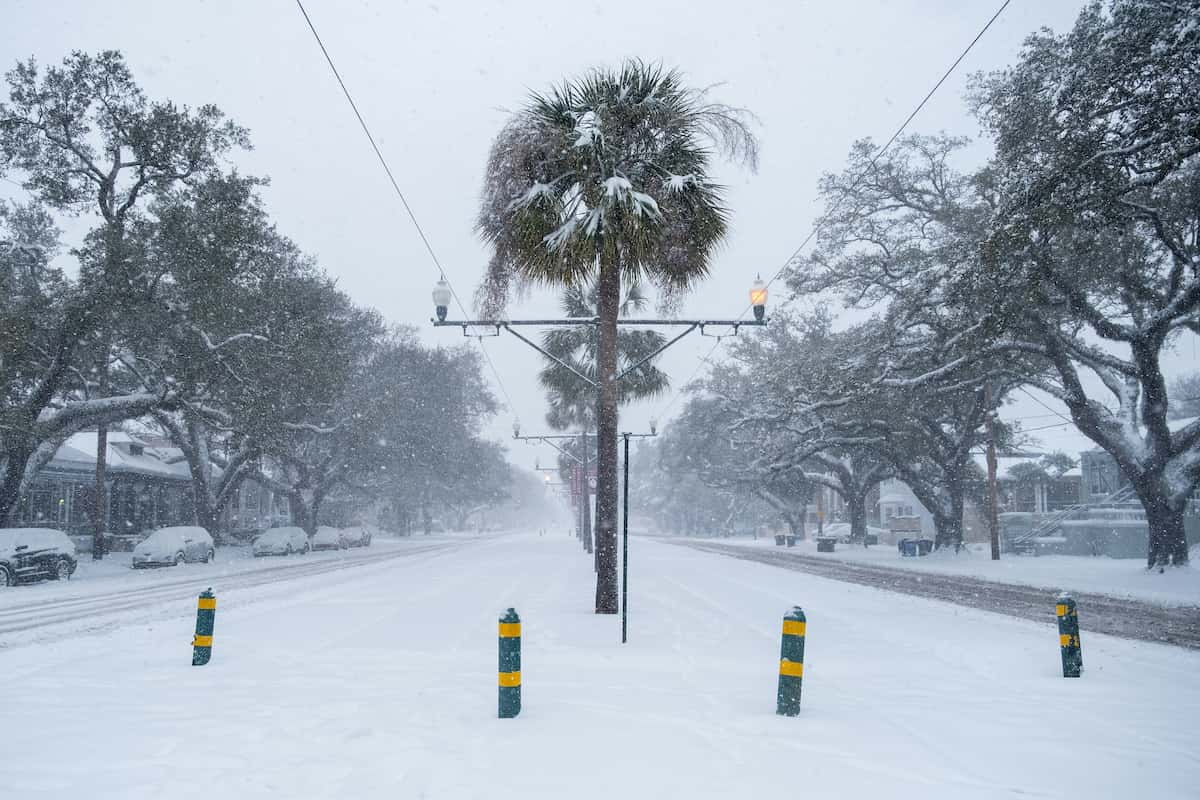
Louisiana may not face harsh winters, but weather still plays an important role in holiday-season crashes.
Common hazards include:
- Dense fog, especially near waterways
- Heavy rain and sudden downpours
- Wet pavement reduces stopping distance
- Early sunsets are causing long periods of glare
Even modest changes in weather can quickly worsen road conditions when paired with heavy traffic or nighttime driving.
7. Increased Out-of-State Travel Introduces Unfamiliar Drivers
Louisiana attracts significant holiday and football-season tourism. Visitors traveling through the state, especially on I-10, I-12, US-90, and I-49, may be unfamiliar with:
- Local traffic patterns
- Highway speed changes
- Complex interchanges
- Bridge approaches
- Construction zones
This unfamiliarity can lead to abrupt braking, missed exits, and sudden lane changes, all of which increase crash risk during high-volume travel periods.
8. Certain Holidays Carry Unique Risk Patterns
Different holidays show different dominant risk factors. For example:
- Thanksgiving: long-distance travel, fatigue, rural road crashes
- Christmas: nighttime driving, distracted driving, alcohol-involved crashes
- New Year’s: highest alcohol-impaired crash risk
- Mardi Gras season: elevated alcohol-related crashes and increased nighttime congestion
The 10-year Louisiana crash analysis highlights how specific holidays consistently show spikes in severe collisions, reinforcing that holiday driving risk is multi-dimensional.
How Drivers Can Stay Safe During the Holiday Season
Reducing holiday crash risks begins with preparation and awareness. Safer-America emphasizes the following best practices:
- Avoid driving after drinking, even if you feel “okay.”
- Plan travel routes and avoid peak travel hours.
- Drive during daylight whenever possible.
- Slow down in congested or unfamiliar areas.
- Limit distractions by silencing notifications and setting navigation ahead of time.
- Rest before long trips and take breaks every 2–3 hours.
- Use extra caution in adverse weather, especially fog or heavy rain.
A few adjustments in planning and behavior can significantly reduce the chance of a serious collision.
Conclusion
Holiday traditions are an important part of Louisiana culture, but they also increase risks on the road. By understanding the factors that contribute to holiday crashes, alcohol, congestion, fatigue, distraction, weather, and nighttime travel, drivers can make informed decisions that protect themselves and the people they care about.



No Comment