

For so many older people a license to drive is the very essence of independence. It’s how they get to the doctor, the shops, church and the kids’ games.
There’s no birthday that automatically makes you an unsafe driver. There’s absolutely no lack of people who drive very well into their 80s. The risks do go up with age though, and the numbers are definitely increasing. The CDC put the number of licensed drivers in the U.S. aged 65 and over at almost 52 million in 2022 (a 77% increase on 2004). Every day there are 25 older people killed and over 740 injured in road crashes.
This guide looks at why driving becomes harder with age, the red flags to be aware of, the options that fall short of taking the keys away, and how you can raise the issue without it being a total relationship killer. If you or a family member were injured in a crash in the Tulsa area, a Tulsa personal injury attorney can explain your options and assist you in dealing with the insurance companies.
Why Driving Gets Riskier With Age
Older drivers tend to restrict their own driving. Many will simply avoid night driving, driving in bad weather and driving during the rush hour. As a result their crash rates per person are quite low. The real issue is what happens when a crash does occur. The CDC reports that drivers aged 70 and over have a higher crash death rate per 1,000 crashes than drivers in their middle years, again due to the greater vulnerability of the older body to injury.
Several age-related changes can quietly affect someone’s driving:
- Vision. Cataracts, glaucoma and macular degeneration all make it harder to read signs, judge distances and cope with the glare of headlights at night.
- Thinking and reaction time. Slower processing makes it much harder to deal with busy intersections, merges and sudden hazards. Early on in dementia it will often be apparent in the driving before it’s apparent in any other area.
- Strength and flexibility. Arthritis or a stiff neck can make it very difficult to turn the wheel, to check your blind spots or to quickly switch from the gas to the brake.
- Medications. Many of the common prescriptions, and a number of the OTC sleep aids and allergy meds, can all be associated with drowsiness or slow reaction times, particularly when taken in combination.
- Hearing. Missing a siren, a horn or a train signal can turn a perfectly normal journey into a very dangerous one.
Warning Signs an Older Driver May Need to Stop
One bad moment doesn’t mean you’ve got to give up driving. It’s about the pattern. The best way to see the pattern is to just go along a few times, preferably on the routes they drive quite often. Watch for:
- New dents, scrapes, or damage to the car, mailbox, or garage
- Getting lost on familiar routes
- Missing stop signs, red lights, or pedestrians
- Confusion at intersections about who has the right of way
- Drifting between lanes or straddling them
- Driving much too slowly for traffic, or braking suddenly for no clear reason
- Mixing up the gas and brake pedals
- Close calls, honks from other drivers, or recent traffic tickets
- Trouble turning to check blind spots or look behind when backing up
- Seeming nervous, overwhelmed, or exhausted after driving
- A doctor suggesting they cut back on driving or stop
If you’re seeing several of these then it’s time to do something. That doesn’t necessarily mean you take the keys. It just means you need to have a better understanding of what’s actually going on.
Options Before Giving Up the Keys
Stopping cold isn’t the only answer. For many drivers, a few adjustments can keep them on the road more safely and for longer:
- Arrange a checkup. An eye test and a medication review with your doctor or pharmacist can pick up on issues that are easily fixable (e.g. an old glasses prescription, a tablet that’s making you drowsy).
- Get a professional driving assessment. An occupational therapist specialising in driver rehabilitation can carry out an objective assessment of your vision, reaction time and road skills. They can also recommend appropriate training or vehicle modification, and their assessment is far more credible than the view of a family member.
- Take a refresher course. The mature driver classes (offered by AAA, AARP etc.) go over the current rules of the road and defensive driving. Some insurers will offer you a discount if you do one of these.
- Set the limits. A lot of older drivers do very well by just avoiding night driving, the motorways, rush hour and bad weather, and sticking to the local routes they know.
- Choose the right car. Things like blind spot monitoring, automatic emergency braking, a rear camera and a bigger dashboard will go a long way to compensate for some of the age-related changes. Don’t forget to get the seat and mirrors properly adjusted.
- Arrange backup transport. Rides from family, rideshare apps and local senior transit can cover the trips that feel too risky.
How to Talk to an Older Loved One About Driving
This is all about safety, but for the person listening it’s very much about freedom and dignity too. A few approaches tend to help:
- Start it early. Bring it up before there’s a crisis. It’s a lot easier to talk about a plan for the future than it is to react to a crash.
- Pick the right messenger. A lot of older people will listen to their doctor, or to a friend or a relative of a similar age, much more than they will to their own adult children.
- Be specific. “You drifted into the other lane twice on the way to church” is better than “You’re getting too old to drive”.
- Focus on what remains the same. Show them precisely how they’ll still get to their appointments, their errands, their social events. The real barrier is often the fear of being home all day.
- Make it a series of conversations. Don’t expect one conversation to resolve anything. Expect some pushback and just keep coming back to it calmly.
- Treat it as a joint decision. Start with the limits (no night driving etc.) and that gives them a sense of control and invariably leads on to the bigger decision later.
If they’re actually in real danger and won’t listen then you may well need outside help in the form of your state’s licensing agency.
If a Crash Happens
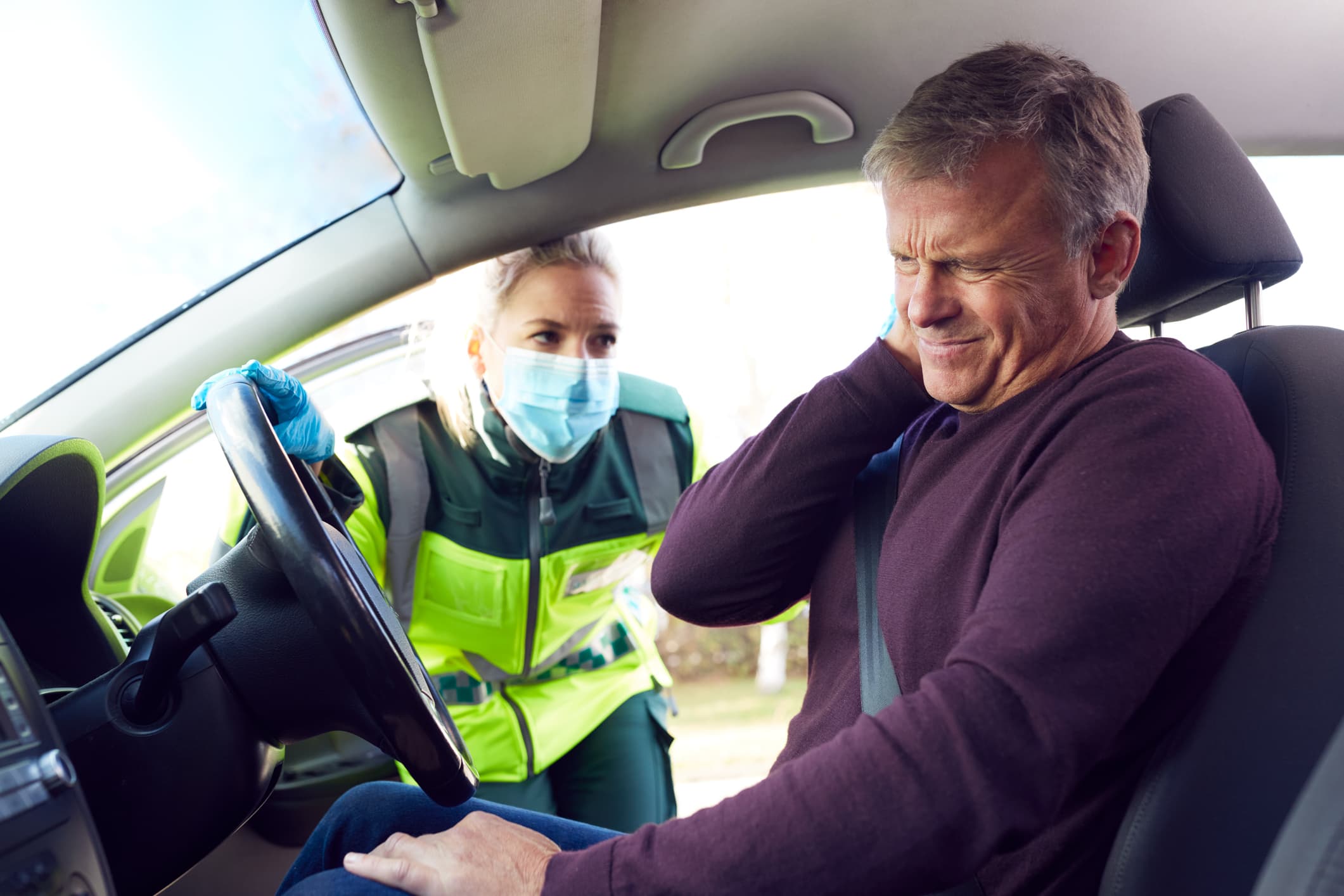
Even with careful planning you can’t prevent every crash. If an older loved one is in a crash, or you’re hit by a driver whose age or health may have played a role, take these steps:
- Get medical attention immediately. Older people can have injuries (fractures, internal bleeding, head injury etc.) that don’t present themselves immediately.
- Call the police and get a report. That’ll record what happened and who was involved.
- Collect the information. Get the names, the insurance details, the witness contacts and photos of the vehicles and of the scene.
- Be careful with the insurers. Don’t give a recorded statement and don’t take a quick settlement until you’ve fully understood the nature and extent of your injuries.
- Talk to an attorney. Claims relating to serious injury, the driver’s medical condition or disputed fault can quickly become complicated.
Having “the talk” about driving is never easy. The key is to spot the warning signs early and get a plan in place together. That will protect your loved one and everyone else on the road.


No Comment