

Most drivers are careful about the obvious parts of car safety. They get oil changes, fill their tires, buckle their seatbelts and try to avoid distracted driving. But one major safety issue that is often and easy to overlook is an open vehicle recall.
Vehicle safety recalls are more common than many people realize. A recall can involve a defective airbag, brake issues, steering problem, tire concern, seatbelt defect, etc. All which can affect the safety of the vehicle, some recalls are minor but others can create serious risks for drivers, passengers, and others on the road.
Since recall notices can be missed, especially if someone has recently moved or bought a used car, it is very important for drivers to know how recalls work and what steps to take if their vehicle is recalled.
What Is A Vehicle Safety Recall?

A vehicle safety recall happens when a manufacturer or the National Highway Traffic Safety Administration says a vehicle, tire, car seat, or piece of equipment has a safety related defect or if it doesn’t meet federal safety standards. NHTSA explains that recalls can be issued when a product creates an unreasonable safety risk or fails to meet minimum safety requirements.
When a recall is open, it means the safety issue has been identified, but the repair has not been completed yet. In many cases, the manufacturer sends a recall notice by mail but not every driver gets notified right away. The letter can be sent to an old address, get thrown away by mistake, or reach the current owner if the car was purchased used.
That is why checking for recalls yourself can be an important part of basic vehicle maintenance.
How To Check If Your Car Has an Open Recall
The easiest way to check for an open recall is by using your VIN which stands for vehicle identification number. A car’s VIN is a 17 character number that is unique to your vehicle. You can usually find it on the drivers side dashboard near the windshield, inside the drivers door frame, or on your registration/ insurance documents.
Drivers can use NHTSA’s recall lookup tool to check for open recalls by entering their VIN. The tool can show if a vehicle has an unrepaired safety recall.
Checking for recalls might take a few minutes, but it can show an issue that might go unnoticed. This is especially helpful after buying a used car, going on a road trip, or any time you receive a notice from the manufacturer.
Why Open Recalls Should Not Be Ignored
Some drivers put off recall repairs because their car seems to run normally. The problem is that a lot of recall related defects are not obvious during everyday driving. A driver might not know until the defective part fails or the vehicle is involved in a crash.
For example, a recalled airbag might not deploy correctly in a collision, a brake defect could affect stopping distance, a tire issue might increase the risk of a blowout, or a steering problem could make it harder to control the vehicle during an emergency.
Even if a vehicle feels fine, an open recall means a safety issue has already been identified. Taking care of the repair can reduce the risk of a preventable accident and keep drivers, passengers and others on the road safer.
What To Do If a Recall Related Defect Causes a Crash
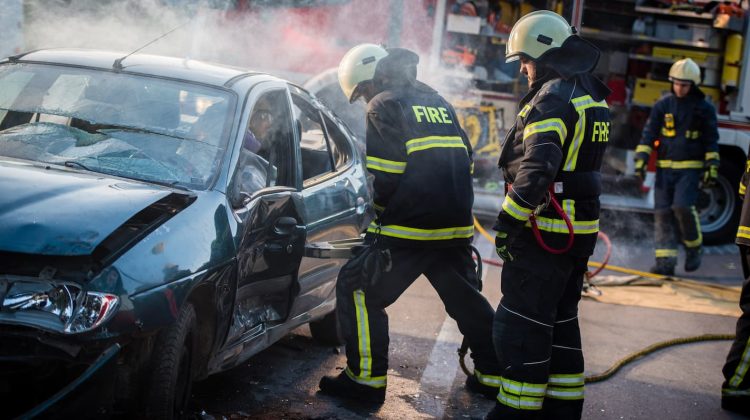
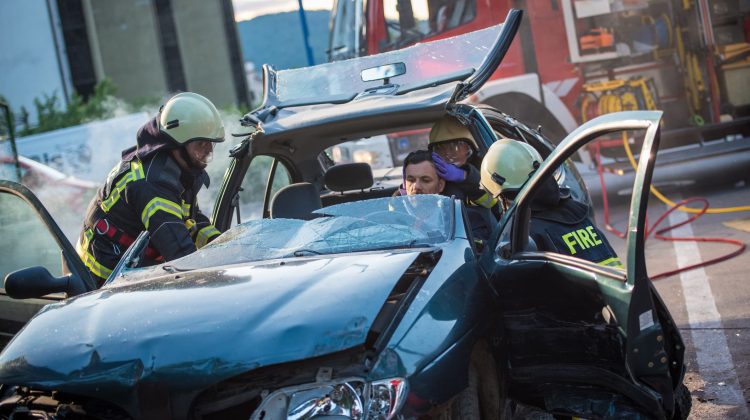
If you believe a recalled vehicle defect contributed to a crash, it is important to take the situation seriously. After any collision, check yourself and your passengers for injuries, call emergency services if needed and move to a safe location if possible.
Drivers should also document as much as they can. This may include taking photos of the vehicles, the damage, the road conditions, and any visible injuries. It is also helpful to save the recall notice, police report, insurance information, and any communication between dealership or manufacturer.
If a recalled part might have played a role in the accident, avoid getting rid of the vehicle or making repairs before the issue is documented. The vehicle itself could be important evidence if there are any questions about what might have caused the crash.
Drivers can also review Safer America’s guide on what should drivers do immediately after a car accident to better understand what to do after a collision.
In some situations, a recalled vehicle can raise questions on who or what was at fault in the accident. Depending on the situation, liability might involve another driver, a vehicle manufacturer, a dealership, or another party. If someone was injured, speaking with a personal injury attorney can help them understand their options and what information may be important.
Staying Proactive About Vehicle Recalls
Vehicle recalls are easy to miss, but they can involve serious safety concerns. A quick VIN search can help drivers find open recalls, schedule necessary repairs, and avoid driving with a known safety issue.
If your vehicle has an open recall, read the notice carefully, contact the dealership and ask if the car is safe to drive while you wait for repairs. If a recalled defect contributes to a crash, documenting the accident and keeping records could be very important.
Staying proactive about vehicle recalls is a simple step that can help drivers protect themselves, passengers, and others on the road.





No Comment