

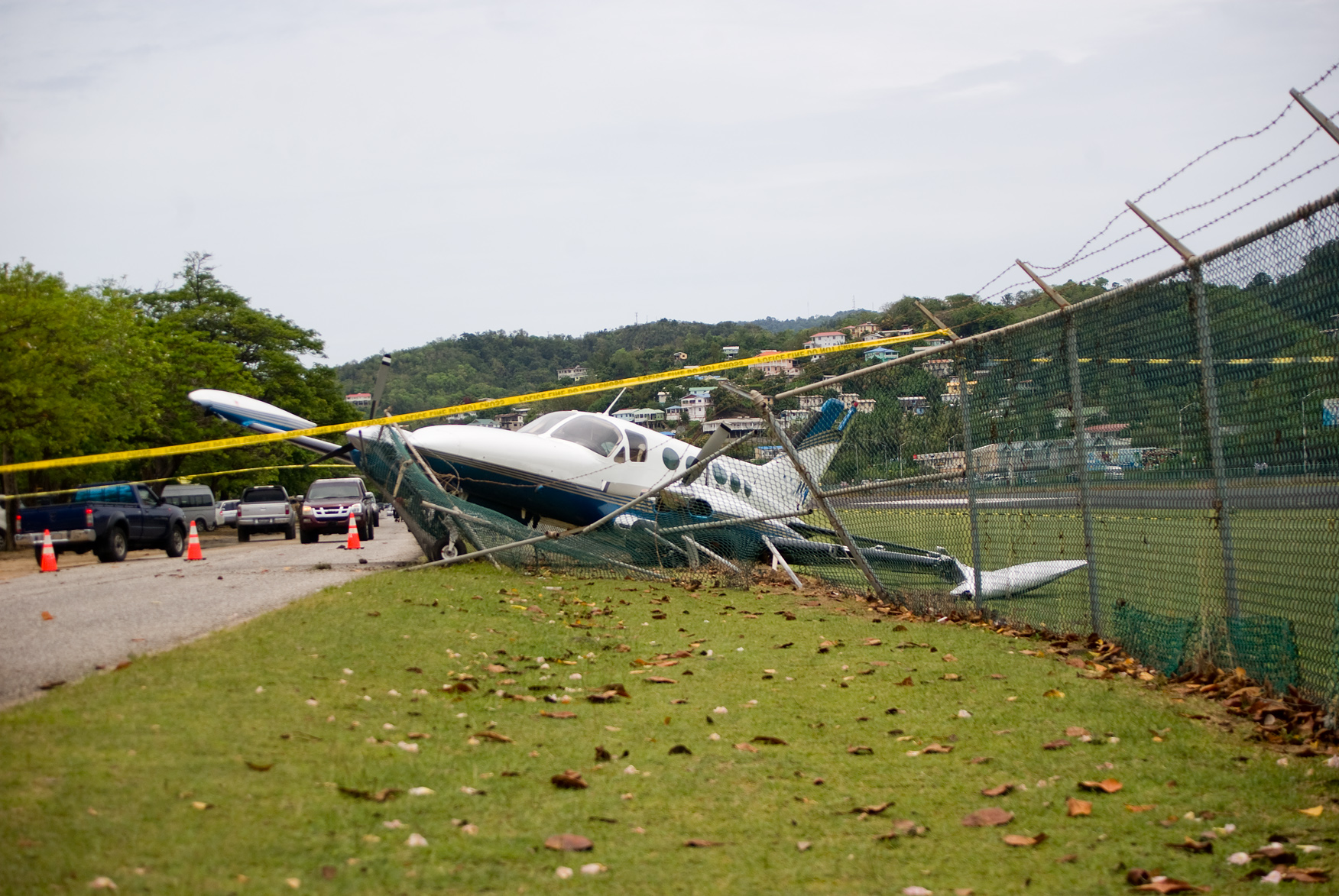
Performing a thorough preflight inspection can help identify mechanical issues before they become safety hazards during a flight. Under FAA regulations, pilots are responsible for determining that the aircraft is airworthy and that all required equipment is functioning properly. Before takeoff, pilots should consider checking:
Engine and systems are fully operational
- Fuel and oil levels
- Engine components
- Electrical system, hydraulic system, and exhaust are stable
- Control surfaces and linkages
- Landing gear
- Cooling and ventilation air system
- Ignition
- Propeller
Aircraft Configuration
Pilots should double check that all systems and controls are correctly configured for the flight. This includes:
- Flight controls
- Landing gear
- Autopilot settings
- Safety equipment
- Communications system
- Balanced plane
Safety and Security
Make sure that all communication lines between the pilots and air traffic are solid. Also double check that emergency equipment, safety equipment, and unauthorized entry to the vehicle are checked.
Pre-Flight Checks
Make sure to check the weather before the flight to anticipate any rough flying as well as the need to reroute or hold off on flying.
How Mechanical Issues Can Contribute to Aviation Accidents
Besides human error, mechanical failures are one the main factors that contribute to aviation accidents. Problems involving engines, flight controls, fuel systems, landing gear, or other critical components can affect an aircraft’s performance and may leave pilots with limited time to respond.
Keeping up with regular maintenance on your plane will help reduce the likelihood of a problem occurring midflight. In some cases, accidents occur because a mechanical issue went undetected before takeoff or developed during flight, which is why having a preflight checklist is so important. In the event of an aviation accident, contact a Texas aviation accident lawyer for legal support.
Why Preflight Inspections Matter
No two aircraft are exactly alike, so pilots should always follow the manufacturer’s recommended inspection procedures and aircraft-specific checklists. Taking the time to complete a preflight mechanical inspection can help detect problems early and reduce the risk of in-flight emergencies or accidents.






No Comment