

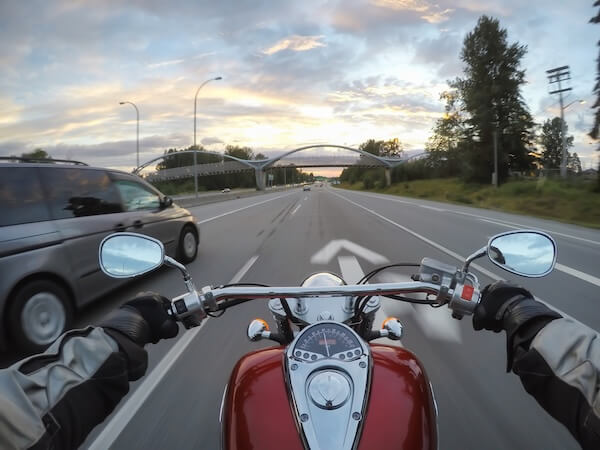
Motorcycle accidents can happen at any time, but certain seasons tend to create more dangerous conditions for riders. Warmer weather, increased traffic, changing road conditions, and seasonal driving habits can all contribute to a higher risk of motorcycle crashes. Understanding when and why these accidents occur can help motorcyclists take precautions and reduce their chances of being injured.
Why Do Motorcycle Accidents Increase During Spring and Summer?
Spring and summer are generally the busiest seasons for motorcycle riding. Warmer temperatures and longer daylight hours encourage more people to take their motorcycles onto public roads. Unfortunately, increased motorcycle traffic can also lead to more opportunities for collisions.
Several factors contribute to seasonal motorcycle accident risks:
- Increased traffic: More motorcycles on the road mean more interactions with passenger vehicles, trucks, and other motorists.
- Inexperienced riders: Some individuals only ride during warmer months and may have limited experience navigating busy roads.
- Distracted drivers: Motorists may not expect motorcycles to appear in traffic, particularly after months of reduced motorcycle activity.
- Long-distance travel: Summer vacations and weekend motorcycle trips can increase exposure to highway hazards and driver fatigue.
Intersections can be especially dangerous during these months. Drivers making left turns may fail to notice approaching motorcycles, resulting in serious collisions.
How Does Winter Weather Affect Motorcycle Accident Risks?
Although fewer people ride motorcycles during winter, cold weather can create particularly hazardous road conditions for those who continue riding.
Snow, ice, freezing rain, and strong winds can make it difficult to maintain control of a motorcycle. Even small patches of ice or accumulated snow can cause a rider to lose traction and crash.
Other winter-related hazards include:
- Reduced visibility during snowstorms and fog.
- Slippery pavement caused by freezing temperatures.
- Road salt, sand, and gravel that reduce tire traction.
- Shorter daylight hours that make motorcycles harder to see.
Motorcyclists should carefully evaluate road conditions before riding during colder months. In some situations, postponing a trip may be the safest decision.
Why Is Fall a Risky Season for Motorcyclists?
Fall can bring unpredictable weather and changing road conditions that increase motorcycle accident risks. While temperatures may remain comfortable for riding, falling leaves, rain, and early morning frost can make pavement slippery.
Wet leaves can be particularly dangerous because they reduce tire traction, especially when riders are turning or braking. Roads may also accumulate debris from trees, construction projects, and seasonal maintenance activities.
Additionally, shorter daylight hours can affect visibility during morning and evening commutes. Drivers may have difficulty spotting motorcycles, particularly when sunlight creates glare or visibility is limited.
Motorcyclists should reduce their speed, maintain additional following distance, and remain cautious when navigating roads covered with leaves or other debris.
How Can Motorcyclists Reduce Their Risk of Seasonal Accidents?
Although seasonal hazards cannot always be avoided, riders can take several precautions to improve their safety throughout the year.
Some helpful safety practices include:
- Inspecting tires, brakes, lights, and other essential motorcycle components before riding.
- Wearing appropriate protective equipment, including a properly fitted helmet.
- Adjusting speed to account for weather and road conditions.
- Maintaining a safe following distance from other vehicles.
- Using headlights and reflective clothing to improve visibility.
- Avoiding riding when roads are covered with ice, snow, or dangerous debris.
Drivers of passenger vehicles should also remain alert for motorcycles, check blind spots, and carefully evaluate intersections before turning or changing lanes.
What Should You Do After a Motorcycle Accident?
Even experienced riders who take proper safety precautions can be involved in accidents caused by dangerous road conditions or another driver’s negligence. Following a motorcycle crash, injured individuals should seek medical attention, document the accident scene when possible, and obtain information from witnesses.
It is also important to preserve medical records, photographs, police reports, and other evidence that may help establish how the accident occurred.
Motorcycle accidents can result in serious injuries, including broken bones, spinal cord damage, and traumatic brain injuries. Individuals injured in crashes caused by negligent drivers or unsafe conditions may have legal options for pursuing compensation.
If you were injured in a motorcycle accident in Nebraska, speaking with a Lincoln motorcycle accident attorney from Steffens Law Offices can help you understand your legal rights and potential options for recovering damages.
By recognizing seasonal motorcycle hazards and practicing responsible riding habits, motorcyclists and other drivers can work together to make the roads safer throughout the year.


No Comment