

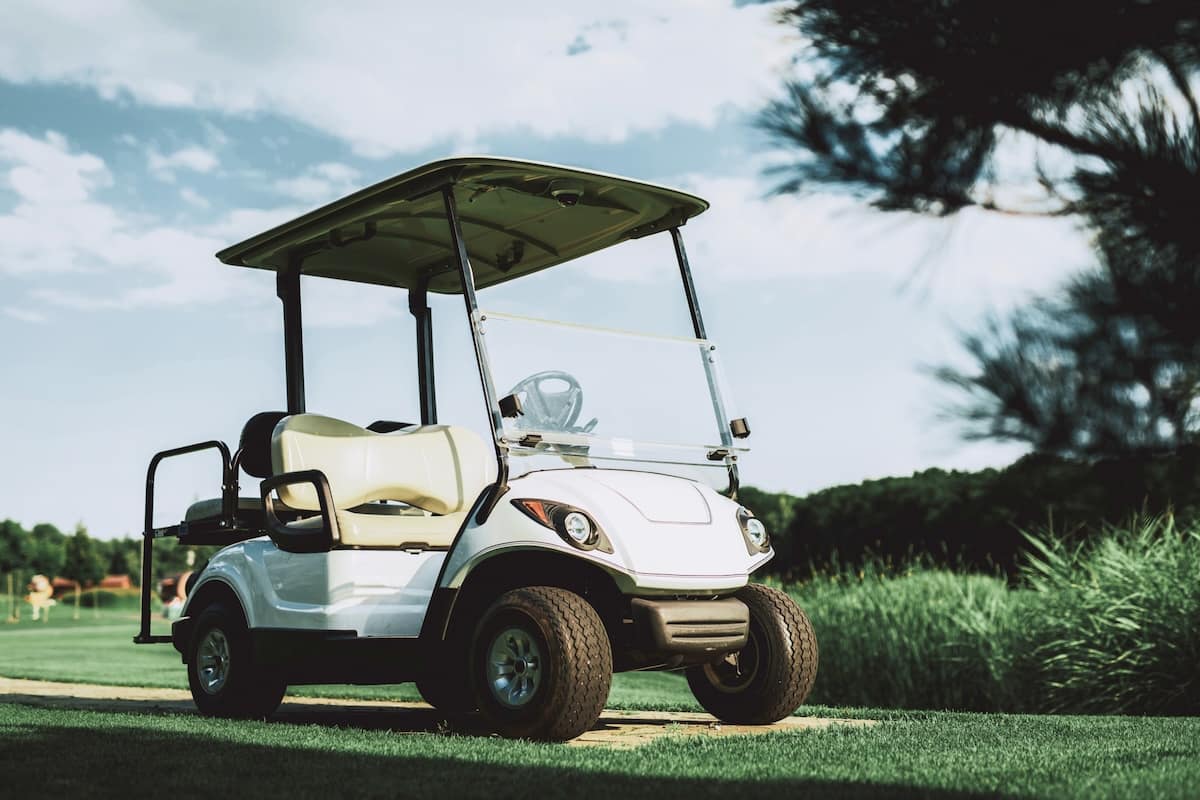
At one point in time, golf carts were confined almost entirely to golf courses. Today, they can be found everywhere: residential neighborhoods, retirement communities, college campuses, resorts, and beach towns. As their popularity has grown, so has a quieter and less widely discussed trend: an increase in golf cart–related injuries.
While golf carts are often viewed as low-risk vehicles, recent national injury data suggests otherwise. According to a decade-long analysis of golf cart accident statistics, thousands of people are treated in emergency rooms each year for injuries involving golf carts, with injury rates rising steadily over time. What makes this trend especially concerning is how easily these incidents are overlooked, largely because golf carts don’t “feel” dangerous.
Understanding the growing safety risks of golf cart use requires looking beyond speed alone and examining how design, environment, and human behavior intersect.
Golf Carts Are Being Used in More Places Than Ever
One of the main contributors to rising injuries is simple: exposure. Golf carts are no longer reserved for controlled environments like courses or private paths. In many communities, they’re used for short trips, social outings, school pickups, and neighborhood errands.
As carts move into shared spaces, roads, sidewalks, parking areas, and uneven terrain, the likelihood of accidents increases. Golf carts are not designed for these environments, unlike traditional vehicles. Most lack seat belts, airbags, doors, and reinforced frames. These design limitations can lead to serious injuries when something goes wrong, even at low speeds.
Why Low Speed Doesn’t Mean Low Risk
A common assumption is that because golf carts travel slowly, they’re inherently safe. In reality, speed is only one factor in injury risk.
Golf carts have a high center of gravity and a narrow wheelbase, making them especially prone to tipping during turns. When a cart rolls or stops abruptly, passengers, often unrestrained, can be thrown from the vehicle. Many injuries occur not from collisions with other vehicles, but from riders hitting the ground after being ejected.
This combination of instability and lack of protective features explains why fractures, head injuries, and spinal injuries are frequently reported in golf cart accidents.
Common Safety Risks Associated With Golf Cart Use
While no two incidents are identical, there are several recurring safety risks that consistently appear in injury reports.
Distracted Driving
Distracted driving isn’t limited to cell phones. In golf carts, distraction often takes a more casual form, talking with passengers, turning around to look behind the cart, holding drinks, or assuming it’s safe to divide attention because speeds are low.
Because golf carts feel informal, drivers may relax their focus in ways they wouldn’t in a car. Even momentary inattention can result in missed turns, delayed reactions, or loss of control, especially when driving on narrow paths or uneven surfaces.
Sharp Turns and Sudden Maneuvers
Many golf cart accidents occur during turns. Steering too sharply, overcorrecting, or swerving to avoid obstacles can easily destabilize a lightweight cart. Drivers often underestimate how little lateral force is needed to cause a rollover.
Passenger Movement and Overcrowding
Passengers play a significant role in many accidents. Standing while the cart is moving, shifting weight during turns, or riding on the edges of seats can affect balance. When multiple passengers are involved, the risk of ejection increases substantially.
Alcohol and Impaired Judgment
Golf carts are commonly used in social settings, where alcohol consumption may be present. Even small amounts of impairment can reduce reaction time and judgment, a dangerous combination in a vehicle that already lacks stability and safety restraints.
Inexperienced or Young Drivers
Teenagers account for a disproportionately high number of golf cart injuries. In many communities, young drivers operate carts without formal training or supervision. Inexperience combined with distraction or risk-taking behavior increases the likelihood of crashes.
Where Golf Cart Accidents Are Most Likely to Happen
Ironically, many golf cart accidents occur in familiar environments, neighborhoods, residential paths, or community roads. Familiarity can breed complacency. When drivers feel comfortable, they may take sharper turns, carry more passengers, or assume hazards are unlikely.
Private communities often lack traffic controls, signage, or enforcement, which can further encourage unsafe behavior. Without clear rules or expectations, safety practices vary widely.
Why Awareness Hasn’t Kept Pace With Risk
Despite rising injury numbers, public awareness of golf cart safety risks has lagged behind. Golf carts are often seen as recreational equipment rather than vehicles, which affects how seriously people take their operation.
This perception gap means basic safety measures, such as limiting passengers, avoiding distraction, and slowing down on turns, are frequently ignored. As golf carts become more integrated into daily transportation, this gap becomes increasingly problematic.
Improving Safety as Golf Cart Use Expands
Reducing injuries doesn’t require eliminating golf carts from communities. Instead, it requires treating them with the same level of caution as other vehicles.
Simple safety improvements can make a meaningful difference:
- Encouraging the use of restraints where available
- Limiting the number of passengers
- Avoiding alcohol use while driving
- Maintaining focus at all times
- Slowing down, especially during turns or on uneven terrain
Community education and clear usage guidelines can also help align behavior with risk.
A Growing Safety Issue That Deserves Attention
Golf carts may appear harmless, but the growing number of injuries associated with their use tells a different story. As these vehicles continue to move beyond golf courses and into everyday life, understanding the risks becomes increasingly important.
By recognizing how design limitations, environmental factors, and distracted driving behaviors contribute to accidents, communities can take meaningful steps to reduce preventable injuries. Golf carts don’t have to be dangerous, but they do require respect, awareness, and responsible use.







No Comment