

When most people think of dangerous driving environments in the United States, images of congested interstates in Los Angeles or chaotic urban sprawl in New York City come to mind. Yet, the latest data shows a surprising trend: many mid-sized cities, not America’s biggest metropolises, have higher fatal crash rates per capita. This pattern raises important questions about road safety, infrastructure, and how we understand traffic danger across the country.
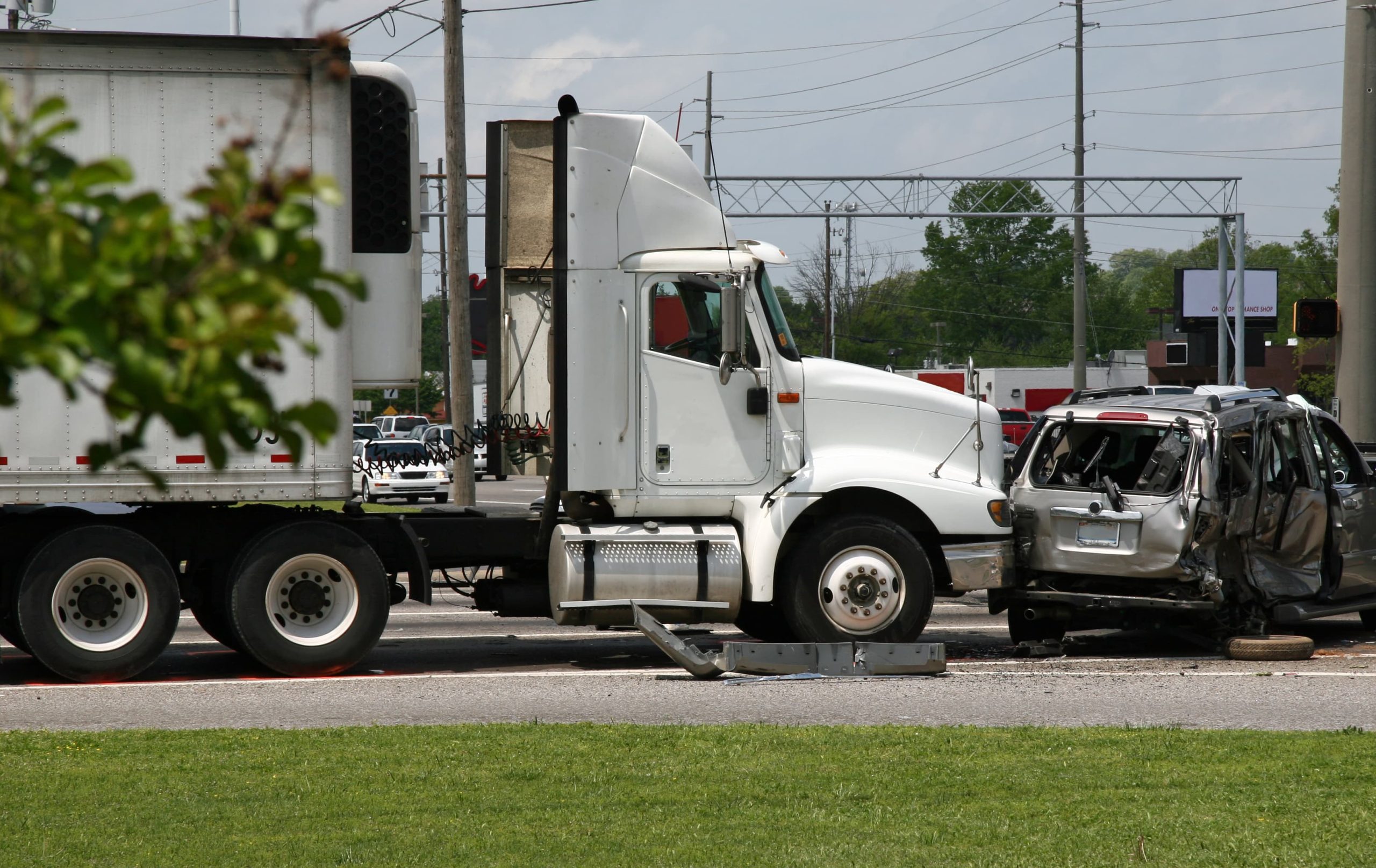
A recent study published by Drafahl Law Firm analyzed fatal crash rates using the most recent ten years of available data and 2023 population estimates. This analysis reveals that several mid-sized cities, particularly in the southern United States, have some of the highest fatal crash rates per 100,000 residents, even exceeding those of cities with populations over one million.
Redefining “Dangerous Roads”
Traditional perceptions of dangerous roads often focus on sheer crash counts. For example, larger cities typically record more total crashes simply because more vehicles and miles are driven each day. But when we adjust for population, calculating fatal crashes per 100,000 residents, the narrative shifts. Mid-sized cities like Memphis, Tennessee and Macon, Georgia emerge as far more dangerous than many major metropolitan areas.
According to the Drafahl study, Memphis recorded the highest annual fatal crash rate, with nearly 24 fatal crashes per 100,000 residents, significantly higher than cities like Los Angeles or Chicago. Even among the largest cities (population >1M), relative fatal crash rates are substantially lower. For instance, New York City’s rate sits closer to roughly 2.6 per 100,000 residents, which is dramatically lower than many smaller cities included in the study.
What’s Driving Higher Rates in Mid-Sized Cities?
Understanding why mid-sized cities see elevated fatal crash rates requires a look at several underlying factors:
1. Road Infrastructure and Investment
Large metropolitan areas often receive disproportionate funding for road safety improvements. Investments in traffic calming measures, pedestrian infrastructure, public transit, and research-backed safety programs tend to be prioritized where congestion and public pressure are highest. In contrast, many mid-sized cities, especially in the South, may lack equivalent funding or comprehensive safety planning, leaving dangerous road design issues unaddressed.
2. Speeding and Enforcement
Speeding is a common contributor to fatal crashes, yet enforcement resources vary widely. In larger cities, speed cameras, automated enforcement, and dedicated traffic units are increasingly common. Smaller police departments often lack the personnel or technology to implement these measures consistently, allowing high-risk driving behavior to persist with fewer consequences.
3. Urban Sprawl and Vehicle Dependence
Mid-sized cities often exhibit sprawling land use patterns with limited public transit. Residents rely heavily on personal vehicles, driving longer distances on high-speed roads without adequate safety features for pedestrians or cyclists. This environment increases exposure to high-speed traffic and, consequently, the likelihood of catastrophic crashes.
4. Education and Public Awareness
Major urban centers frequently run broader public safety campaigns, targeting distracted driving, seat belt use, and impaired driving, through partnerships with media outlets and community organizations. In contrast, mid-sized cities may lack the outreach infrastructure to consistently reinforce safe driving behaviors across diverse populations.
Breaking the Myth of “Urban Danger”
One of the most striking takeaways from the Drafahl Law Firm’s analysis is how the narrative around urban traffic danger changes when viewed through a per-capita lens. Cities long perceived as chaotic (New York, Boston, Philadelphia) actually rank below many smaller cities in terms of fatal crash rates. This counterintuitive finding underscores the importance of data-driven safety assessments rather than assumptions based on size or visibility.
Moreover, some of the safest cities by crash rate, like Cary, North Carolina, still experienced significant increases in fatal crashes over the past decade, illustrating that even cities with relatively strong safety records are not immune to rising traffic danger.
Regional Patterns and Cultural Factors
Geography also plays a role. The Drafahl study highlights that 72% of the cities with the highest fatal crash rates are located in the South, pointing to potential regional influences such as higher rural-urban fringe development, wider roadways designed for speed, and cultural attitudes toward driving.
These conditions don’t guarantee dangerous roads, but they correlate with environments where high-speed automobile travel is the norm and where safety enforcement and infrastructure investments may lag behind growing transportation demand.
What Cities Can Do Next
Reducing fatal crash rates in mid-sized cities requires a multi-pronged approach:
-
Prioritize infrastructure upgrades that protect vulnerable road users, such as protected bike lanes, pedestrian crossings, and traffic calming designs.
-
Increase enforcement resources to deter dangerous behaviors like speeding and impaired driving.
-
Expand public education campaigns that resonate with local communities and highlight the real human impact of fatal crashes.
-
Leverage data partnerships to analyze crash patterns and allocate funding where it’s most needed.
The assumption that the largest U.S. cities are the most dangerous places to drive doesn’t hold up when we examine fatal crash rates per capita. Mid-sized cities, particularly those in the South, now dominate the list of the most dangerous American cities on the road. This trend reflects a complex web of infrastructure, enforcement, regional culture, and public policy challenges.
Understanding these shifting patterns is the first step toward crafting smarter, safer driving environments—for all Americans, regardless of where they live. For a full breakdown of fatal crash rates across cities and how they compare, read the complete analysis from the Drafahl Law Firm.







No Comment