

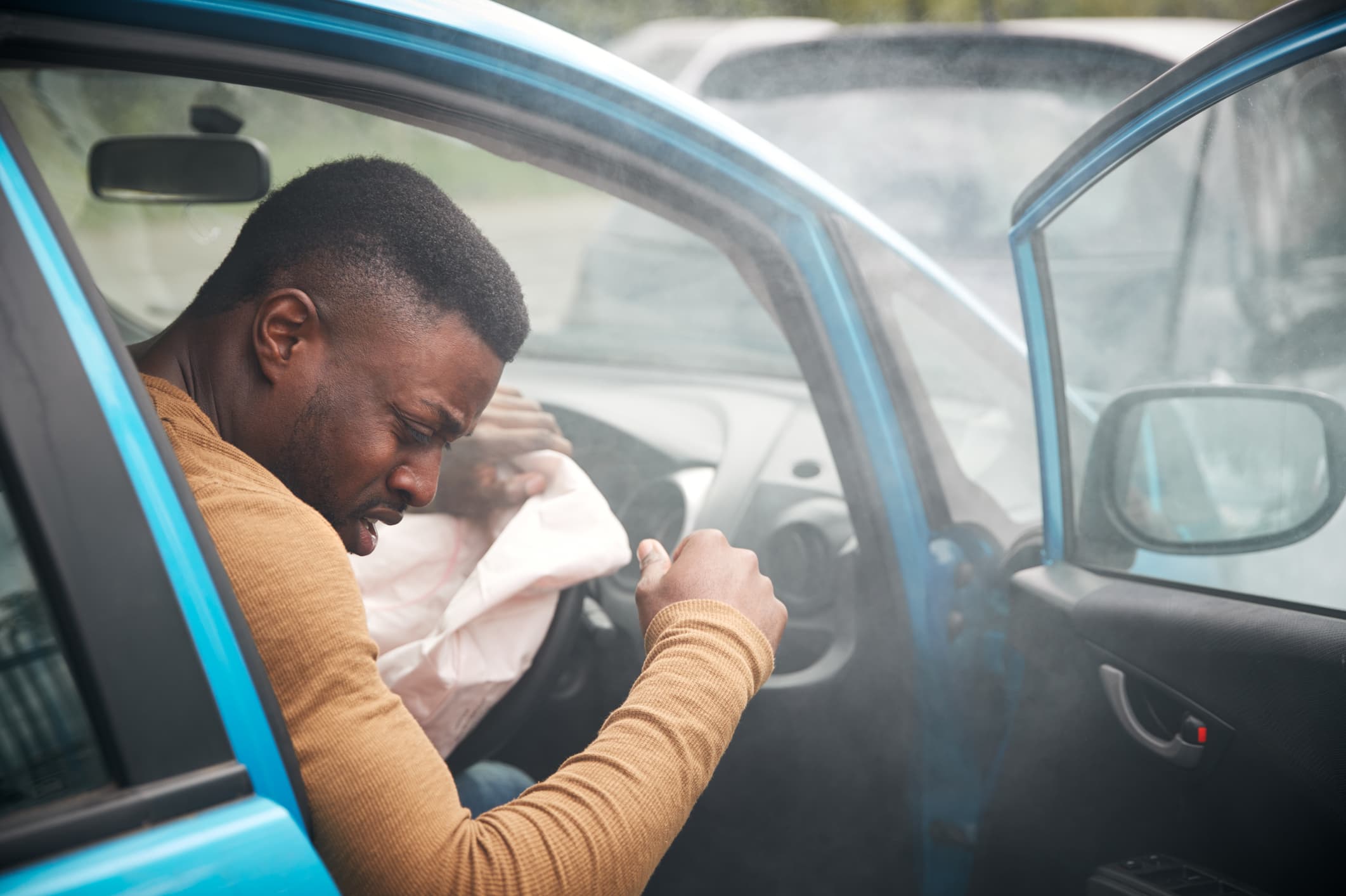
Car accidents can happen in seconds, often leaving drivers shaken and unsure of what to do next. Whether the crash is minor or severe, the actions you take immediately afterward can affect your safety, your ability to document what happened, and any potential insurance or legal claims. Knowing the right steps to follow can help protect both your health and your rights after a collision.
Check for Injuries and Move to Safety
The first priority after any car accident is safety. Check yourself and any passengers for injuries. If anyone appears seriously hurt (spinal cord or head injuries, etc…), call 911 immediately and request medical assistance. Even if injuries seem minor, it’s important to remain cautious, as adrenaline can mask pain in the moments following a crash.
If the vehicles are creating a hazard in traffic and it is safe to do so, move them to the shoulder or a nearby safe area. Turn on hazard lights to alert other drivers. However, if the accident involves significant damage or serious injuries, it’s often best to leave the vehicles where they are until law enforcement arrives.
Call the Police
Contacting the police after an accident is often a smart step, even if the crash seems minor. A responding officer can create an official accident report, which may later help clarify what happened and who was at fault. This report can be valuable when dealing with insurance companies or pursuing a claim.
When officers arrive, provide accurate and honest information about the incident, but avoid speculating about fault. Simply describe what you observed and experienced.
Exchange Information with the Other Driver
Drivers involved in a collision should exchange basic information, including:
- Names and contact information
- Driver’s license numbers
- Insurance company and policy numbers
- Vehicle make, model, and license plate numbers
Be cooperative, but avoid discussing blame or apologizing for the accident. Statements made in the moment could later be misunderstood or used against you during the claims process.
Document the Scene
If it is safe to do so, take photos or videos of the accident scene. Visual documentation can help preserve important details that might otherwise be forgotten later. Try to capture:
- Vehicle damage from multiple angles
- The positions of the vehicles
- Traffic signs, signals, or road conditions
- Skid marks or debris
- Any visible injuries
If there were witnesses nearby, ask for their names and contact information as well. Their statements may help confirm how the accident occurred.
Seek Medical Attention
Even if you believe you are not seriously injured, it is still wise to seek medical evaluation after a crash. Some injuries—such as whiplash, soft tissue injuries, or internal trauma—may not show symptoms immediately. Seeing a healthcare provider helps ensure that any injuries are properly diagnosed and documented.
Medical records can also serve as important evidence if you later need to file an insurance claim related to the accident.
Notify Your Insurance Company
Most insurance policies require drivers to report accidents promptly. Contact your insurance provider as soon as possible and provide them with the basic facts about the collision. Be prepared to share the other driver’s information, photos of the damage, and the police report number if one was created.
Stick to the facts when speaking with insurers. Avoid guessing about fault or the extent of your injuries until a full evaluation has been completed.
Consider Your Legal Options
If the accident caused injuries, significant property damage, or disputes about fault, it may be helpful to speak with a qualified car accident attorney in Chicago. A lawyer can review the details of the crash, explain your rights, and help you understand the options available for recovering compensation.
Staying Prepared Can Make a Difference
Car accidents are stressful events, but taking the right steps immediately afterward can make the situation easier to manage. Prioritizing safety, documenting the scene, and seeking medical care can all play important roles in protecting your health and ensuring that important details about the crash are properly recorded. By staying calm and following these steps, drivers can better navigate the aftermath of an unexpected collision.





No Comment