

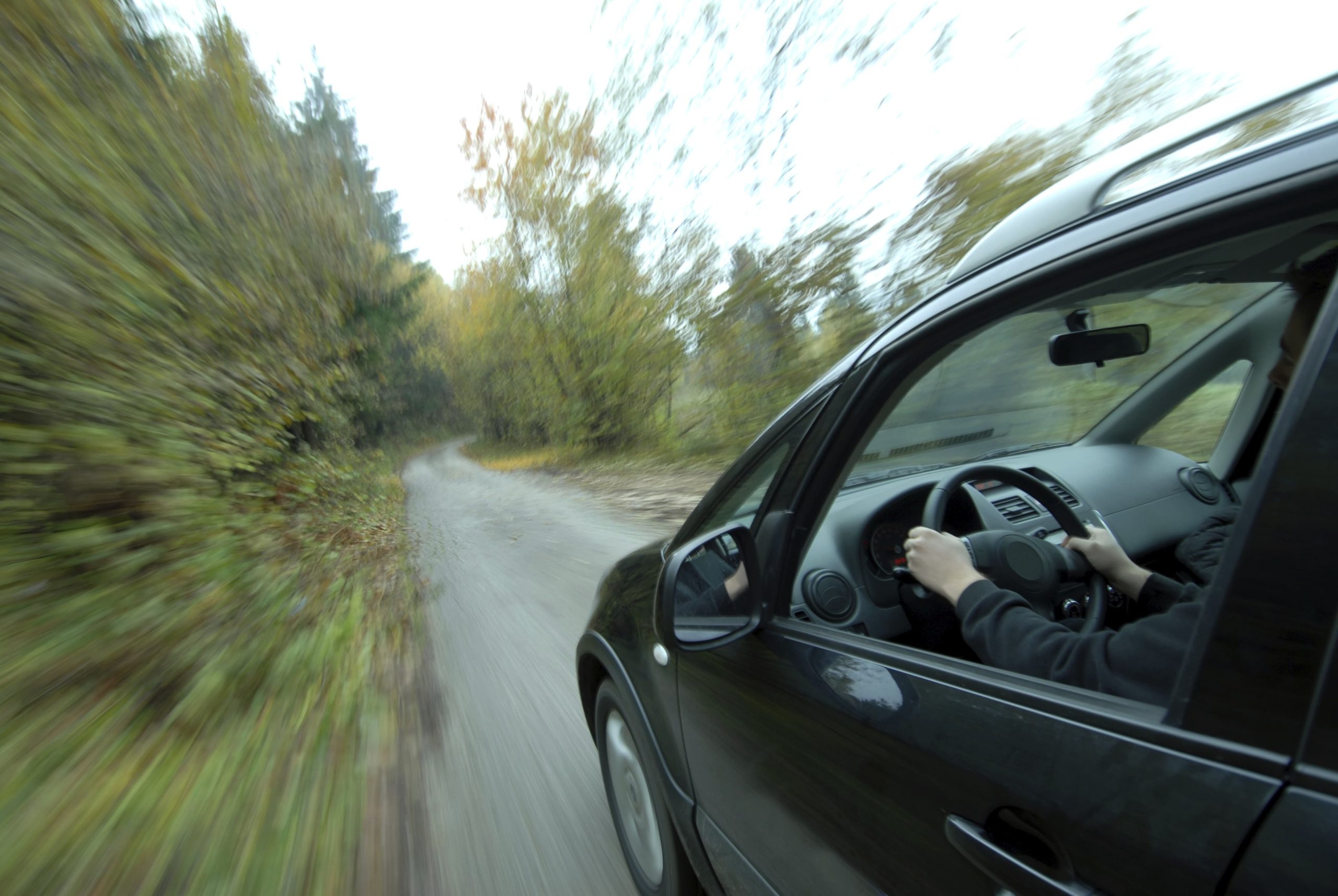
Speeding is one of the most dangerous behaviors on U.S. roads. Drivers traveling far above the limit have less time to react, longer stopping distances, and far more severe crash forces. Federal data has shown speeding contributes to about one-third of traffic deaths, and research from Garvin Injury Law found thousands of fatal crashes between 2019 and 2023 involved drivers going at least 20 mph over the posted limit. While you can’t control how fast others drive, defensive habits can dramatically reduce your risk.
Recognize the Warning Signs of a Speeder
Spotting danger early gives you more time to react. Many speeding drivers show predictable behaviors. If you notice these signs, assume they may make sudden or reckless moves.
- Tailgating or riding too close
- Rapid lane changes or weaving
- Passing on the shoulder
- Driving far faster than surrounding traffic
When you see these warning signs, start creating distance immediately.
Create Space and Stay Visible
Distance is your best protection. Move to the right lane when safe, avoid blocking fast drivers, and increase your following distance to five or six seconds. Don’t brake suddenly unless necessary, since a speeder behind you may not be able to stop in time.
Check mirrors frequently and double-check blind spots before merging or changing lanes. Speeding drivers can appear quickly, especially on highways. Signal early and avoid lingering beside other vehicles where you might not be seen.
Don’t Engage With Aggressive Drivers
It’s tempting to react emotionally, but engaging can escalate a dangerous situation. Avoid eye contact, gestures, or honking unless it’s necessary to prevent a crash. Never try to match a speeding driver’s pace or block their path. Letting them pass safely protects you and everyone around you.
Be Extra Careful at High-Risk Times
Speeding crashes often happen at predictable times and places. Evening hours after rush hour, late nights, weekends, and open highway stretches all increase the likelihood of excessive speeding. Tourist areas and unfamiliar roads can also create impatience and risky driving.
During these situations:
- Reduce distractions like texting or adjusting navigation
- Keep both hands on the wheel
- Watch far ahead for sudden stops or lane changes
- Maintain a safe buffer around your vehicle
Stay Safe as a Pedestrian or Cyclist
Speeding drivers aren’t only dangerous to other motorists. If you’re walking or biking, assume drivers may not see you in time. Wait for vehicles to stop fully before crossing, use reflective clothing at night, and avoid high-speed roads without sidewalks or bike lanes whenever possible.
What to Do If Someone Is Driving Dangerously
If a driver near you is speeding aggressively, slow down and create space. Pull off the road if needed. Don’t chase or confront them. If it’s safe, call 911 and report the vehicle description and location so authorities can respond.
Defensive driving is about preparation, not fear. By staying alert, giving yourself space, and refusing to engage with aggressive drivers, you can greatly reduce your risk—even when others make dangerous choices on the road.






No Comment