

In today’s fast-paced world, many people rely on convenient, quick meals and snacks to get through their busy days. While these options save time, they often contain ingredients that aren’t part of a traditional diet. Learning how to identify ultra-processed foods and understanding their impact on health can help you make smarter choices. This guide will break down what these foods are, highlight common examples, explain potential health risks, and offer practical tips to reduce them in your everyday diet.
What are Ultra-Processed Foods?
Ultra-processed foods (UPFs) are industrially manufactured food products made mostly from substances extracted from foods or synthesized in laboratories. They often contain additives such as artificial flavors, preservatives, and sweeteners to enhance taste and extend shelf life. These foods are often consumed because little to no preparation is needed.
The term “ultra-processed foods” was coined in 2014 by the NOVA food classification system, which served as the basis for the Dietary Guidelines for the Brazilian Population. The classification categorizes foods in 4 categories, from least processed to most, as seen below:
- Group 1: Unprocessed or minimally processed food – fresh foods with little to no processing, such as beans, pasta, milk, or meat
- Group 2: Processed culinary ingredients – foods extracted from physical procedures, such as olive oil, butter, milk, and sugar
- Group 3: Processed food – foods modified by relatively simple industrial processes, such as salt, sugar, or fat
- Group 4: Ultra-processed foods and drinks – Foods obtained from industrial formulations of substances from Group 1, such as cereal, instant noodles, and pre-prepared food products
Common Examples of Ultra-Processed Foods
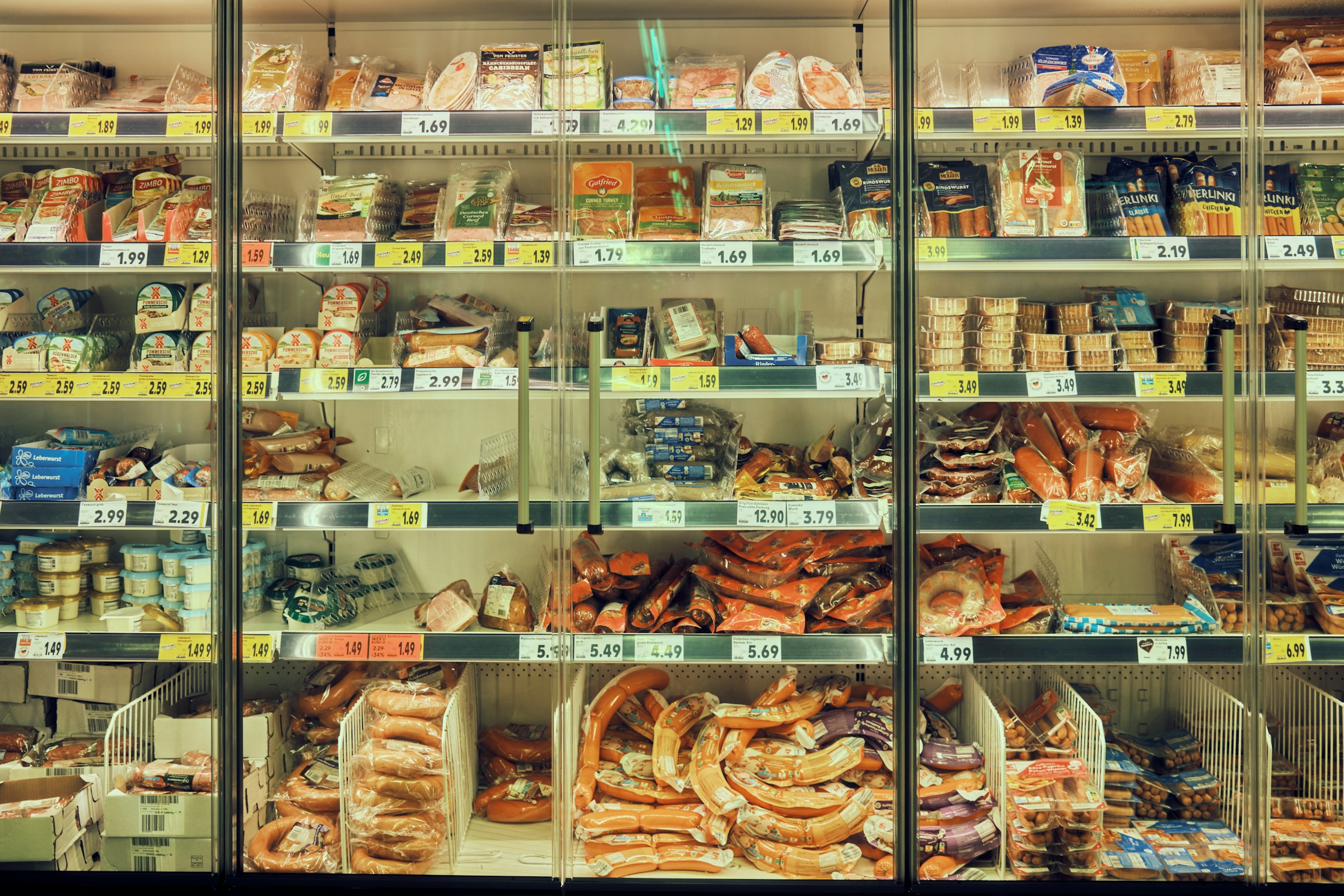
Ultra-processed foods are everywhere, and many of us eat them without even realizing it. Some of the most common examples include packaged snacks like chips and cookies, instant noodles, and breakfast cereals, as well as processed meats like hot dogs, deli meats, and sausages. Frozen convenience food like chicken nuggets and ready-to-eat meals also fall into this category. Because these foods are widely available and affordable, they have become a regular part of many people’s everyday diets.
Understanding which foods fall into the ultra-processed category can help you make more informed choices and shift towards a diet with minimally processed foods included. In many cases, confusing packaging and clever marketing can play a role. Some manufacturers use misleading claims that make highly processed products appear healthier than they actually are, a practice referred to as deceptive food labeling.
Why Ultra-Processed Foods Can be Harmful
While ultra-processed foods are convenient and quick to prepare, regularly consuming them may come with serious health consequences. A study conducted by the American College of Cardiology found that for every additional 100 grams of ultra-processed food consumed per day, health risks increased in several areas.
The study linked high ultra-processed food intake to:
- 19.5% higher risk of digestive diseases
- 14.5% higher risk of hypertension
- 5.9% increased risk of cardiovascular events
- 2.6% higher risk of all-cause mortality
- 1.2% increased risk of cancer
Researchers also found an increased risk of obesity, diabetes, and mental health conditions such as depression.
How to Limit Ultra-Processed Foods in Your Everyday Diet
While an occasional ultra-processed meal isn’t likely to cause harm, consistently consuming these foods may significantly increase long-term health risks. With these foods everywhere, staying mindful of what to eat has never been more important. Here are some practical strategies to help you cut back on ultra-processed foods and improve your diet.
Read Labels Carefully
One of the effective ways to reduce ultra-processed food intake is to look at the nutrition labels of food you buy at the grocery store. Many products may appear healthy at first glance, but can still be highly processed.
A good rule of thumb when shopping is to look for foods with recognizable ingredient lists. If it does not live in your kitchen, it should not live in you!
Plan Your Meals Ahead of Time
Meal planning is one of the most practical ways to minimize ultra-processed food consumption. When planning meals, you are far less likely to rely on the convenience of frozen foods or other convenient ultra-processed food sources.
Start by outlining your meals for the week and building a grocery list around simple, whole ingredients. Focus on foods like vegetables, fruits, whole grains, and unprocessed meats. Preparing staple items such as cooked grains, grilled vegetables, and proteins can make assembling meals during the week quick and easy!
Eat Less Snacks and More Whole Foods
Frequent snacking is one of the biggest drivers of ultra-processed food consumption. Many popular snacks are specifically designed to be convenient and shelf-stable, a combination often found in heavily processed foods.
Reducing the number of snacks you eat and focusing on eating balanced meals can lower your intake of these foods. Meals made up of whole ingredients tend to be more filling and nutritionally satisfying, which helps reduce the urge to snack throughout the day.
If snacks are a must, choose minimally processed options such as nuts, yogurt, or vegetables with hummus as alternatives that provide nutrients without a long list of additives.







No Comment